How Fans Make Every Concert Magical: Stories from the Crowd
Introduction: The Magic Beyond the Stage
The First Cheer: How Energy Travels from Crowd to Stage
Stories from the Crowd: Moments Fans Never Forget
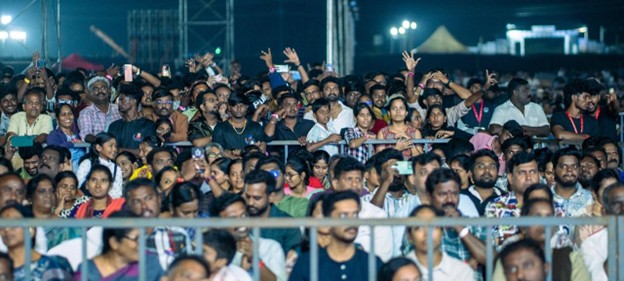
Every fan carries a story home from a concert. While for a few, it’s just a song that lingers in familiarity, for others, it’s a memorable weekend well spent with their loved ones. On the other hand, there are audiences who stand for hours just to see their favorite song getting played because they wanted a lasting memory to share with their friends and family. Hence, these events become a personal memory that goes beyond the music.
When the Crowd Becomes One Voice
There are times at a concert when individuality becomes less evident and the sensation of unity emerges. The thousands of lighted phone screens shine collectively, the voices blend into one, or the silence is felt as the audience listens collectively. Such events generate an incredible feeling of belongingness. At such instances, the concert can no longer be identified just as a standalone event.
Fans as Co-Creators of the Experience
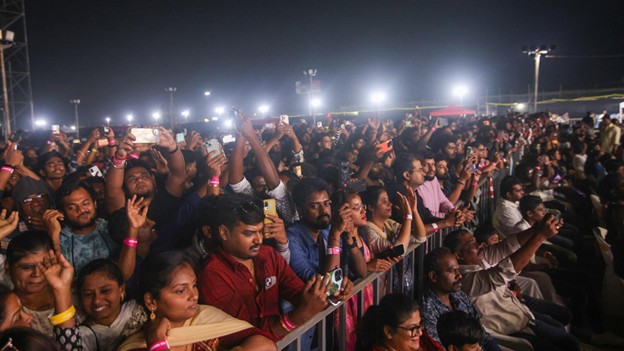
A concert is a two-way street. Through their reactions, singing, clapping, reacting to musical cues, or calling for an encore, fans actively shape the atmosphere. Fans influence how a show goes down; thus, no two performances are ever exactly alike. Even for the setlists that may be used for more than one performance, the crowd ensures no two concerts will ever feel the same. This is because they become co-authors, contributing to the emotional texture of the night.
Beyond the Venue: How Fans Carry the Concert Forward
A concert is not over when the final note fades. It’s still etched in the memories of the audiences who keep repeatedly mentioning it in online discussions, sharing images through social media and selling narratives. By extending a concert through visuals and sound, its impact continues to resonate long after the venue has emptied. Through this sharing, fans help keep the music alive, transforming what would otherwise be fleeting performances into lasting cultural memories.
Why Artists and Organisers Remember the Crowd
Artists recall the feelings more as opposed to the size of the stage or the level of production. When artists feel the esteem and interest of the audience, they feel encouraged. For organizers, the response of the audience is the clearest measure of success. A strong audience turnout builds trust, encourages artists to return, and strengthens their long-term connection with the city they perform in.
Conclusion
Each concert is a memory not only of what went down on stage, but of what it was like to be there. And that is created not just by the band and its music, and not just by the event itself, but by the presence of the audience. This is what fans do to convert performances into experiences and experiences into memories.
It is the echo of a crowd that listened, responded, and belonged as artists take their final bow, and the venue slowly emptied. This is that quiet yet powerful presence that makes live music timeless. After all, a concert takes place on stage-but it very well lives in the hearts of those who came together to witness it.